


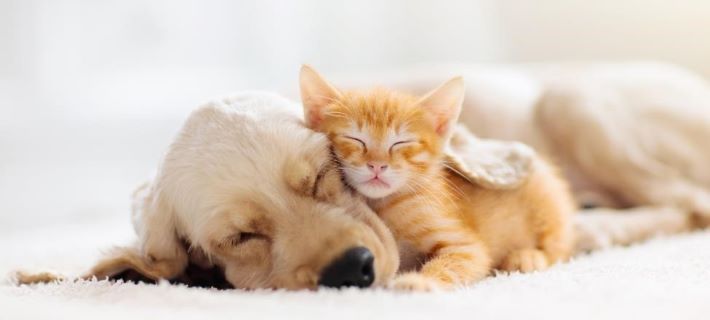
Most people don't think about pets when buying or building homes. When you're planning on your next home for you and your pets, consider their particular needs.
1. Find a Pet-Friendly Neighborhood
Get the scoop from the local dog-owners: are there dog play areas around? Are the sidewalks well lit? Do the neighbors also have dogs and like having dogs around?
2. Ensure a Safe and Comfortable Home:
Pets need their own space too! Designate a space in a low-traffic area in your home for your pets to sleep and have their food and water, such as a laundry room or spare bedroom.
3. Petscape Your Yard
Petscaping is the process of landscaping your yard to ensure it's fun and safe for your pets to play in. This includes making sure you have fencing around your home, removing any potentially toxic plants, adding pet-friendly alternatives, hardscaping and adding engaging attractions like water features or agility courses your pets will love.
5 Steps:
1. Take the layout into account: the areas to relax, exercise and enjoy each other's company.
2. Create fencing to keep your pets out of gardens, other neighbor's yards and the street.
3. Create a shelter from the sun and rain, or building a warm shelter if you live in a snowy or cold climate.
4. Use pet-safe materials like rocks, concrete, non-toxic mulch, bermuda grass, roses, etc.
Avoid: elephant ears, sago plants, snake plants, aloe vera, daffodil, foxglove, geranium, ivy, lily, milkweed oleander and tulips as these are toxic to animals.
5. Use eco-friendly pest control: spray for fire ants and mosquitoes using only sprays that will not harm animals.
6. Consider creating attractions that make your pet happy: a large sandbox for play time, an agility course to get out excess energy or a small swimming pool (there's some cheap ones at Home Depot) or a water feature or play pad to keep cool.
7. Keep your pet's habits in mind: keep small, ingestible objects in the yard to a minimum.
8. Consider your climate: if you live in a rainy climate, create proper drainage systems to keep standing water from piling up in your lawn, because your pup can get sick from drinking from rain puddles.
Any shelter in a snowy climate will need to be made extra warm.
4. Choose a First Floor Home for Elderly Dogs
To keep from breaking bones, and to keep elderly dogs from feeling scared to have to go upstairs and downstairs, first floor homes are the best for elderly dogs.